
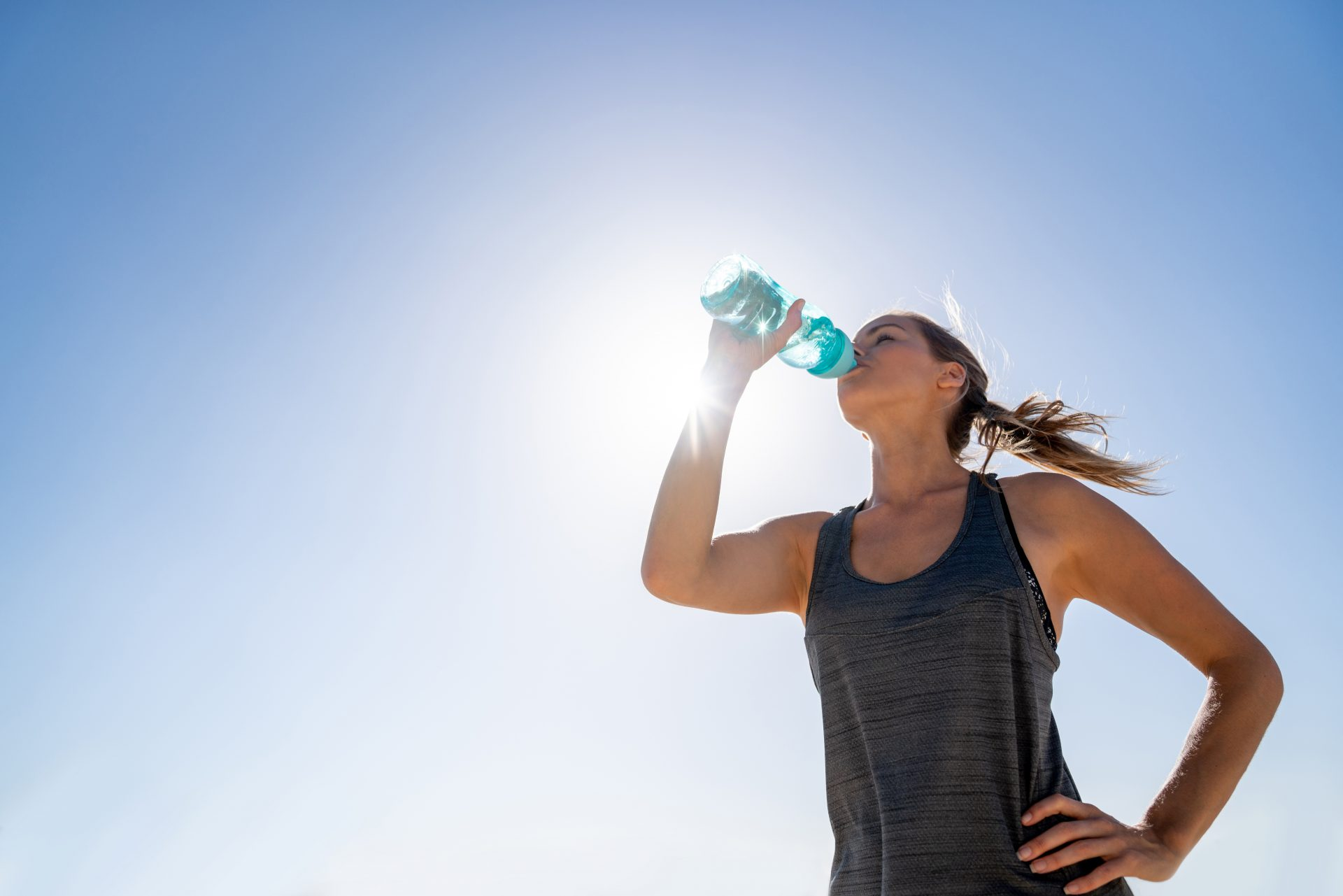
Hot-weather cardio is a strange bargain: you get sunlit scenery and a lively, summery mood, but you also pay in sweat, elevated heart rate, and a deceptively high recovery bill. The goal isn’t to “tough it out.” The goal is to manage heat like a controllable training variable—one that changes effort, fueling, and risk.
Think of it the way you’d think of any added stressor: you can dose it, adapt to it, or ignore it and get flattened. Even small choices—route shade, start time, clothing, and pacing—compound quickly; the difference between a crisp, satisfying session and a miserable slog is often a handful of deliberate decisions, mid-sentence distractions like a quick jetx casino game aside, when what you actually need is a plan you can execute with calm consistency.
Heat Is Not Just “Harder”—It’s a Different Load
When temperatures rise, your body has two competing jobs: move you forward and keep you from overheating. To shed heat, you push more blood to the skin and ramp up sweating. That reduces the blood available for working muscles, which means your heart rate climbs to maintain output. This is why a pace or power that feels “easy” in cool air can feel unusually taxing in humid, radiant heat.
The practical takeaway is simple: in the heat, external output (pace, speed, wattage) becomes a less reliable indicator of internal strain. If you train by numbers alone, you can accidentally turn a moderate day into a punishing one—especially on long runs, steady rides, or brisk hikes where heat load accumulates silently.
Pick Conditions Like an Engineer, Not a Hero
“Train earlier” is common advice, but heat-smart training goes beyond the clock. What matters is the microclimate: shade, wind, reflected sunlight, humidity, and the heat stored in pavement.
A few high-leverage choices:
- Chase shade and airflow. Tree-lined paths, waterfront routes, and open ridgelines can feel dramatically cooler than sun-baked streets.
- Avoid heat-soaked surfaces. Asphalt and concrete radiate stored heat in late afternoon and early evening; parks and dirt paths typically run cooler.
- Use loops near an exit. In extreme heat, a loop near home, water, or transit is smarter than a one-way adventure that commits you to finishing.
If you can’t control the weather, control the environment you move through.
Pace by Effort, Not Ego
In hot conditions, “effort discipline” is the core skill. Use a simple hierarchy:
- Perceived exertion (RPE) and breathing are your first signals.
- Heart rate is a useful backstop, especially for long steady sessions.
- Pace/speed becomes a tertiary metric—informative, but not authoritative.
A heat-smart rule: if your breathing and effort feel like threshold work, treat it as threshold work, even if your watch says you’re slower than usual. Heat causes cardiovascular drift—heart rate rises over time at the same output as dehydration and core temperature increase. To prevent slow-motion self-destruction, cap the session with a maximum effort level you can hold without spiraling.
Hydration: Replace Losses, Don’t Chase Perfection
Hydration in the heat is not a macho contest, but it’s also not a magical fix. Overhydration can be dangerous, and underhydration predictably harms performance and recovery. The most practical approach is to estimate your sweat loss and replace a sensible fraction of it.
A simple method:
- Weigh yourself before and after a typical hot session (minimal clothing, same conditions if possible).
- Each 1 kg (2.2 lb) lost is roughly 1 liter of fluid deficit.
- Aim to replace much of that over the next few hours, not necessarily during the session.
During longer sessions, small, frequent sips are usually easier on the stomach than large gulps. If you sweat heavily or train for more than about an hour in hot conditions, include some electrolytes, especially sodium, to support fluid retention and reduce cramping risk. Keep it boring and tolerable—heat already challenges your gut.
Clothing and Cooling: Make Evaporation Work for You
Your clothing is mobile climate control. In the heat, choose light, breathable, quick-drying fabrics and a fit that allows airflow. A cap or visor can reduce glare and protect your face, but remember it can also trap heat; ventilated options help.
Cooling tactics that actually matter:
- Pre-cool when possible. A cool shower, chilled drink, or a few minutes in a cooler indoor space before you start can reduce early heat strain.
- Use water strategically. Wetting your head, neck, and forearms can improve perceived comfort, especially in dry heat.
- Plan refill points. A route with fountains or carried water reduces anxiety and lets you pace more intelligently.
In humid conditions, sweat evaporates poorly, so airflow and pacing matter even more than dousing yourself.
Build Acclimation on Purpose
Heat adaptation is real, but it’s not instant. With repeated exposure, you typically sweat more efficiently, stabilize heart rate better, and handle higher temperatures with less distress. A practical acclimation block often looks like 7–14 days of consistent, moderate exposure rather than sporadic “death marches.”
A conservative progression:
- Start with shorter sessions at easy effort.
- Add time gradually, not intensity.
- Keep at least a few workouts each week comfortably easy to avoid stacking fatigue.
If you’re already training hard, don’t add heat stress and intensity simultaneously. Pick one “hard thing” at a time.
Session Design: Keep the Stimulus, Cut the Damage
When it’s scorching, you can preserve fitness with smarter structure:
- Intervals over long grinds. Shorter hard efforts with generous recovery can reduce total heat exposure while maintaining a strong cardiovascular stimulus.
- Split sessions. Two shorter bouts (morning + evening) can be kinder than one long midday session.
- Use “time on feet” targets. Commit to 35 minutes instead of “7 kilometers,” so you don’t overreach when pace slows.
Heat-smart training is not about doing less forever; it’s about doing the right amount today so you can train again tomorrow.
Know the Red Flags and Don’t Negotiate With Them
Heat can escalate from discomfort to danger. Stop, cool down, and seek help if symptoms become severe or rapidly worsen. Warning signs include:
- Dizziness, confusion, or unsteady walking
- Chills, goosebumps, or sudden cessation of sweating in extreme heat
- Nausea that doesn’t ease, headache, or unusual weakness
- Rapidly rising heart rate with falling performance
Err on the side of caution, especially if you’re alone. Training is optional; heat illness is not.
Recovery: Finish With Intention
A heat-stressed workout costs more than the same workout in cool weather. Make recovery deliberate:
- Cool down in shade and lower effort gradually.
- Rehydrate steadily and eat a balanced meal with carbohydrates and protein.
- Prioritize sleep; heat often disrupts it, so keep your bedroom as cool and dark as possible.
A good heat session ends with a sense of controlled fatigue—not a wrecked, hollowed-out feeling that lingers for days.
The Bottom Line
Training outside in the heat can be effective, even enjoyable, if you treat temperature as a serious variable. Choose friendlier conditions, pace by effort, hydrate intelligently, acclimate gradually, and respect red flags. Do that, and your summer cardio becomes steady, resilient progress—powered by smart decisions rather than stubborn suffering.